
Essential Steel Erection Safety Tips for Every Project
Steel erection is a critical phase in construction that demands precision, skill, and above all, safety. When working with heavy steel components at heights, the risks multiply, making it essential to follow strict safety protocols. In this post, I will share key practices that ensure safe steel erection, helping you protect your team and your project.
Understanding Steel Erection Safety Tips
Steel erection involves assembling steel frameworks that form the skeleton of buildings and other structures. This process includes lifting, positioning, and securing steel beams and columns. Because of the complexity and hazards involved, adhering to steel erection safety tips is non-negotiable.
Some fundamental safety tips include:
Pre-planning and risk assessment: Before any steel is lifted, conduct a thorough site inspection and hazard analysis. Identify potential risks such as unstable ground, overhead power lines, or weather conditions.
Proper training: Ensure all workers are trained in steel erection techniques and safety procedures. This includes fall protection, rigging, and crane operation.
Use of personal protective equipment (PPE): Hard hats, steel-toed boots, gloves, and fall arrest systems are essential.
Clear communication: Use radios or hand signals to maintain constant communication between crane operators, riggers, and ground personnel.
By integrating these tips into your workflow, you create a safer environment that minimizes accidents and delays.
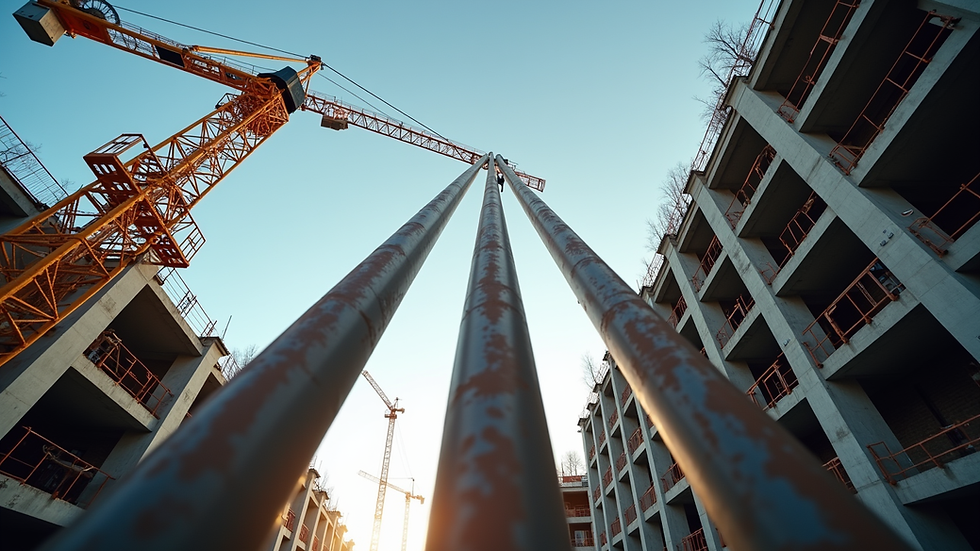
Key Practices for Safe Steel Erection
To elevate safety standards, I recommend focusing on these key practices:
1. Detailed Planning and Coordination
Steel erection requires meticulous planning. Coordinate with all stakeholders, including engineers, crane operators, and safety officers. Develop a step-by-step erection plan that outlines:
Sequence of steel placement
Crane positioning and load limits
Emergency procedures
This plan should be reviewed and updated regularly to reflect any changes on site.
2. Rigorous Inspection of Equipment and Materials
Before starting, inspect all equipment such as cranes, slings, shackles, and bolts. Check steel components for defects like cracks or corrosion. Using faulty equipment or materials can lead to catastrophic failures.
3. Implementing Fall Protection Systems
Falls are the leading cause of injuries in steel erection. Install guardrails, safety nets, and personal fall arrest systems. Train workers on how to use harnesses correctly and ensure anchor points are secure.
4. Safe Load Handling and Lifting Techniques
Ensure that loads are balanced and rigged properly before lifting. Avoid sudden movements or swinging of steel components. Use tag lines to control the load and keep workers clear of suspended loads.
5. Weather Monitoring and Response
Weather conditions such as high winds, rain, or lightning can make steel erection dangerous. Monitor weather forecasts and suspend operations if conditions become unsafe.
By applying these practices, you reduce the risk of accidents and improve overall project efficiency.

Training and Competency: The Backbone of Safety
No matter how many safety measures you put in place, they will only be effective if your team is competent and well-trained. Regular training sessions should cover:
Proper use of PPE
Safe rigging and signaling techniques
Emergency response drills
Recognition of hazards specific to steel erection
Certification programs and refresher courses help maintain high safety standards. Encourage a culture where workers feel comfortable reporting unsafe conditions or practices.
The Role of Supervision and Safety Audits
Active supervision is crucial during steel erection. Supervisors should:
Monitor compliance with safety protocols
Conduct daily safety briefings
Address unsafe behaviors immediately
Additionally, perform regular safety audits to identify gaps and implement corrective actions. These audits can include:
Equipment inspections
Review of safety documentation
Worker interviews
Consistent oversight ensures that safety remains a priority throughout the project lifecycle.
Embracing Technology for Enhanced Safety
Modern technology offers tools that can significantly improve steel erection safety. Consider integrating:
Drones: For site inspections and monitoring hard-to-reach areas.
Wearable sensors: To track worker movements and detect falls.
3D modeling and BIM: To plan steel placement accurately and avoid clashes.
These innovations help anticipate risks and streamline operations, making your site safer and more productive.
Why You Should Prioritize Safe Steel Erection Practices
Steel erection is inherently risky, but by committing to
Here is a Canadian link to government safety practices related to steel erection: Safe Steel Erection Practices This link provides information on safety practices and regulations in Canada., you protect your workforce and your investment. Accidents can cause severe injuries, project delays, and financial losses. Conversely, a strong safety record enhances your reputation and attracts more clients.
Implementing these practices demonstrates professionalism and responsibility. It also aligns with regulatory requirements, helping you avoid penalties and legal issues.
Moving Forward with Confidence and Safety
Steel erection demands your full attention to safety at every stage. By following the tips and practices outlined here, you can create a secure work environment that supports successful project completion. Remember, safety is not just a checklist - it is a mindset that must be embraced by everyone on site.
If you are planning a steel erection project, take the time to develop a comprehensive safety plan, invest in training, and leverage technology. Your commitment to safety will pay off in the form of fewer accidents, smoother operations, and satisfied clients.
Remember Everyone Let's Stay vigilant, stay safe, and build with confidence.


Comments